gabriola garden

Tuesday, August 04, 2009


A heatwave can be tough on your garden


The heat wave just broke today, but I see on The Weather Network that it’s due to come back the middle of August. Most of July was like an oven around here, and needless to say, Sara’s garden suffered. Not to mention my vegetables, which needed constant watering or else they drooped and were very unhappy.


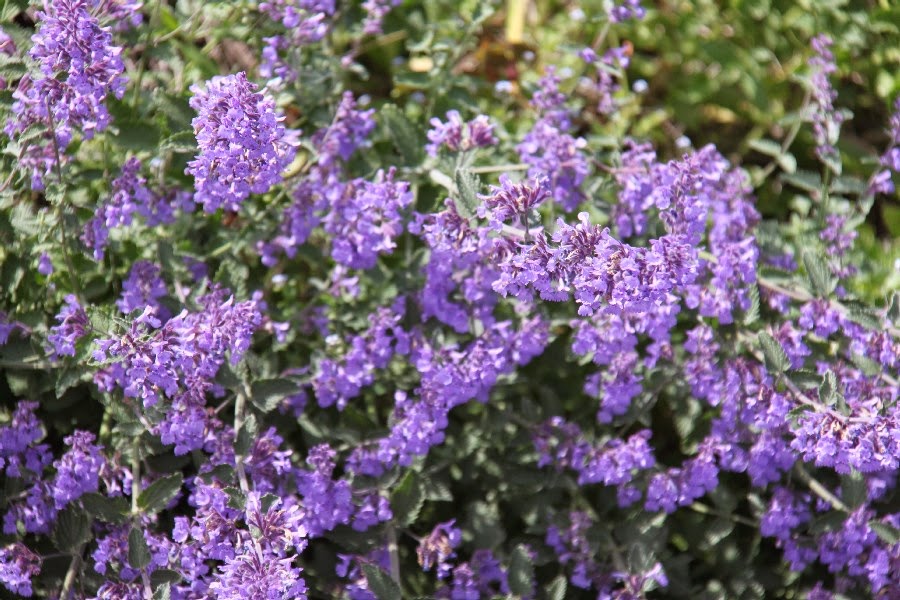
The catmint hung in there for a while, but eventually it dried up. Some of the roses fought heroically, but eventually they succumbed to the 30 plus Celsius heat. Sara trailed a hose into the middle of her flower garden and kept the water flowing at half strength, but even that didn’t save all of the plants.


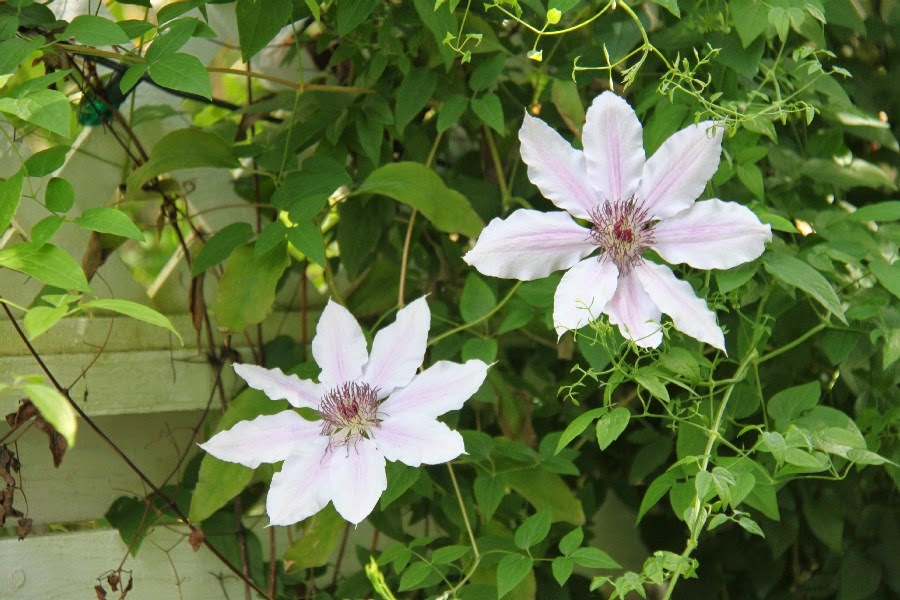
The ones that did survive, however, thrived. The golden lilies grew over seven feet tall (“What do you have here, a lily tree?” quipped one of our neighbours) and one of the red rose bushes outdid itself in delivering not only visually beautiful, but fragrant blooms as well. The margaretas or daisies were prolific for the longest time, and the butterfly bush flowered, dried up, and is now flowering again.

Sara took the kids camping in the middle of the heat wave, in addition to visiting many of the region’s waterparks with them. I stayed cooking in my basement home office with three fans aimed in my direction and dreamt of buying an air conditioner.


I had to spray some plants with Piranha, since the constant watering created a fertile ground for mold and mildew. Spraying them with beneficial fungi helps to counteract the damage from the harmful ones and actually strengthens the plant’s immunity system. I usually spray with Scorpion Juice as a preventative, but this time the infestation was so intense that it called for stronger measures.


We’re feeding our tomatoes and blooms with Iguana Juice Bloom, in order to give them just the right ratio of Potassium and Phosphorus (not too much Phosphorus). Once the plants go into their bloom phase, giving them Iguana Juice Grow would be a mistake, because they would get too much Nitrogen, which would only encourage lush foliage with very few flowers.


We look forward to harvesting some prize-winning zucchini and squash, crisp snow peas, our usual green beans and lettuce, as well as some giant tomatoes with the succulent goodness of home-grown produce, fresh off the vine.

Labels: , , , , ,

posted by Tim at 3:14 PM | 1 comments

Wednesday, June 03, 2009


Organic Nutrients for Bigger Flowers

God save us from uneducated flower thieves! Last summer, we woke up one day to find that someone had cut the seed pods off of all our red poppy plants. Obviously, someone who does not know that the red poppies that are legal to grow in our gardens are only a distant cousin of the opium poppies that grow in countries like Turkey and Afghanistan, and have no hallucinatory properties whatsoever.


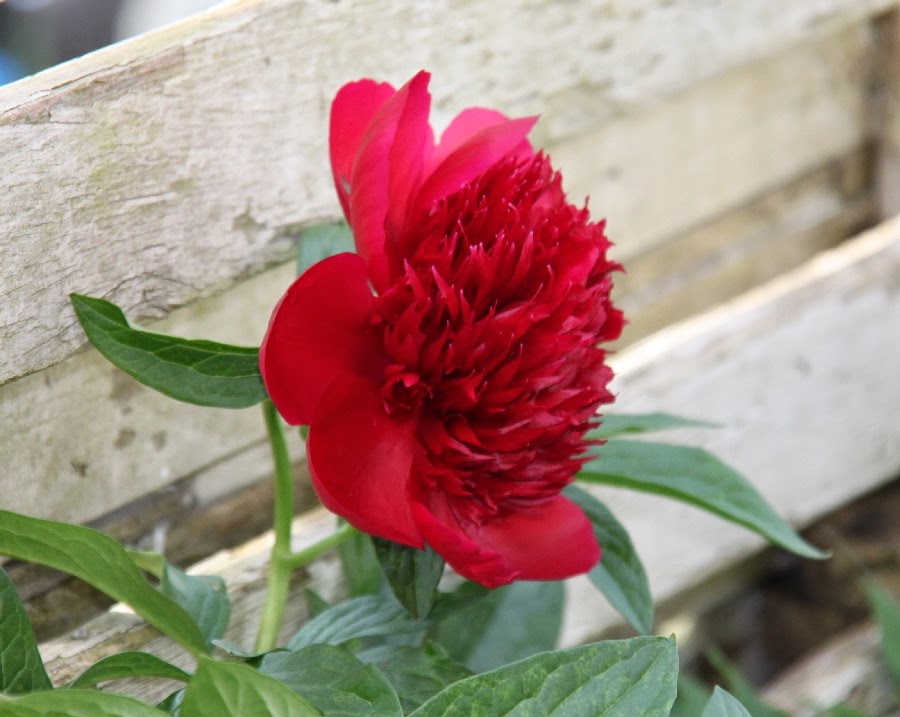
Well, our perennial poppy plants somehow survived this onslaught, and once again we have beautiful, huge, red poppies growing in our garden. But on closer inspection, I noticed that three or four of the buds (not the seed pods, but the buds before the flowers had a chanced to open!) were carefully cut and removed. Now this shows even more ignorance. By cutting the buds, all they did was deprive us and the neighborhood of three or four additional flowers. Good luck trying to get high on these buds!


People who don’t know anything about horticulture, should stay out of gardens, especially our garden! Sara worked really hard to create a beautiful space where the heavenly scent of lilacs mingles with the magnificence of flowers in bloom.


The tulips have said goodbye, while the catmint, forget-me-nots, and lilacs are just coming into their own. In fact, the forget-me-nots have taken over a whole section of Sara’s garden, having started with only a few plants some years back.


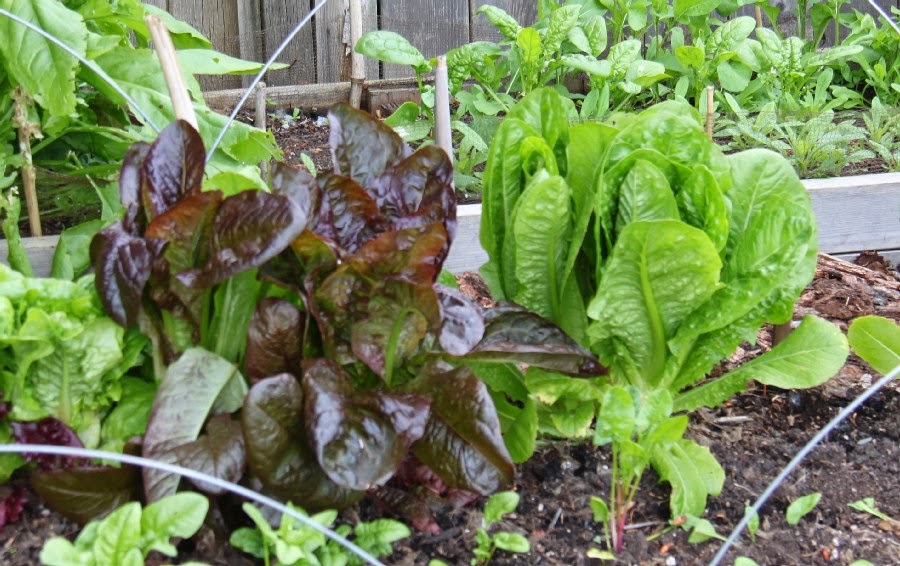
My vegetables are getting started. The snow peas are coming up along the netting on the fence, and lettuce, sorel, spinach, and broccoli are thriving. In fact, the sorel is as tall as I am and even though it’s in bloom, the leaves are still as tasty as ever. No bitterness there. I recall my mother making sorel puree when I was a youngster. She always added a spoonful of sugar. I prefer them raw, with a sprinkle of honey on them, to complement the sour taste.


Hedgehog is a Wii Fit fanatic and she prefers the coolness of our basement rec room to the heat of the sun midday. She beat the hula hoop record by twisting her pelvis over 800 times in energetic succession. The next day she groaned a bit from sore muscles but now she’s back at it again. Jim prefers the Nintendo DS but he also rides his bike a lot and is thinking of getting a newspaper delivery job in the fall.


Our supply of Iguana Juice is getting low, so I must order some more from Advanced Nutrients. I’ll add some Humic Acid and Fulvic Acid to the order, in order to perpetuate the dark, humus-like soil that Sara manages to create for her flower beds each year, using organic fertilizer and composted horse manure.

Labels: , , , , , ,

posted by Tim at 1:51 PM | 1 comments

Tuesday, April 21, 2009


Organic Nutrients Produce Bigger Yields


Forget-me-nots galore! Huge daffodils soaking up the sun! Rich hued tulips speak of things to come!


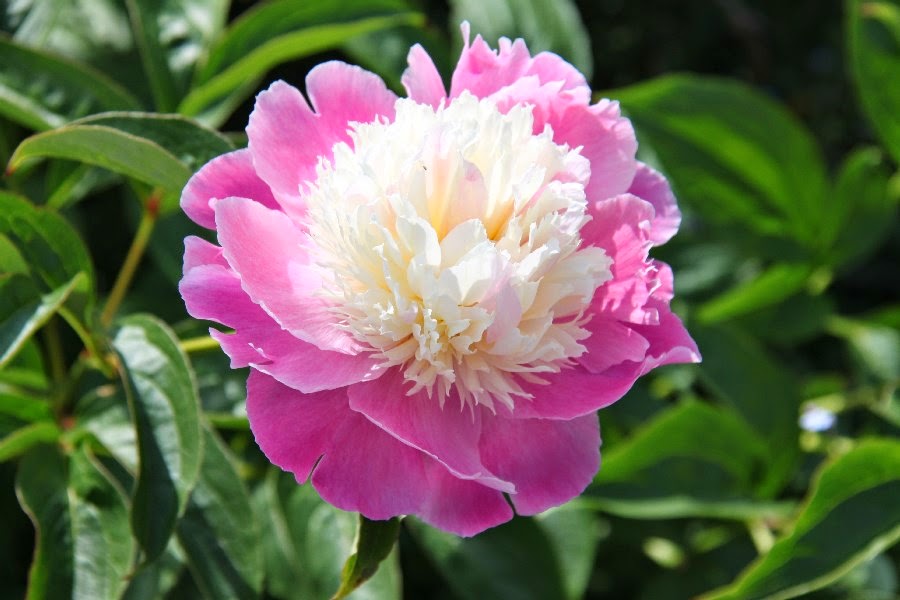
Sara’s garden is coming into its own, and the world’s best organic nutrient is boosting the size of her blooms! Spring is the most magic of seasons, when the earth rejuvenates itself and covers all our gardens with bright, colorful flowers that gladden our spirits!


She soaked the humus-like soil with Advanced Nutrients Organic Iguana Juice, and her plants burst forth with new energy! They love the pure ingredients in this fish-based fertilizer. Her friends always ask as to how her blooms grow so big!


I am very enthusiastic about it, but I’ll let my pictures speak for me. We look forward to celebrating Earth Day tomorrow with Hedgehog and Jim, as Sara cooks a stir fry of organic vegetables, seasoned with the herbs grown in the Aero-Garden that I bought her for Christmas.


Stay tuned for the pictures of these herbs and the story of how they grew in their hydroponics setting, as if by magic. You’ll have to wait for my next posting for that one.

Labels: , , , , ,

posted by Tim at 6:15 PM | 1 comments

Friday, April 03, 2009


Advanced Nutrients Iguana Juice for Bigger Flowers


Sara always prepares her flower beds for spring by putting down a layer of rich, black compost, as well as treating the soil with Iguana Juice Grow, the 100% organic fertilizer from Advanced Nutrients. This product adds so much zing to our garden, that our neighbors are constantly asking how did your flowers grow so big?


Sara and I have been using Iguana Juice, both Grow and Bloom, for a number of years now and are always amazed as to not just the size, but the quality of flowers that it helps nature to deliver. In addition to the base—made from fish caught in the pristine waters of the North Pacific Ocean—Iguana Juice contains:

Alfalfa Extract

Earthworm Castings

Kelp Meal

Krill Extract

Volcanic Ash

Yucca Extrac


This is the kind of diet that both Sara’s flowers and my vegetables love to absorb and turn into lush vegetation and the biggest flowers we’ve seen anywhere. Included in the pictures of this year’s crocuses is one of last year’s red poppies, which were saucer-sized and the envy of the neighborhood.


Even though Advanced Nutrients says that their fertilizers are ideal for hydroponics growing, soil-growers like us also appreciate the quality of all their products and the bigger yields that result in using them!

Labels: , , , ,

posted by Tim at 4:56 PM | 1 comments

Saturday, January 31, 2009

Hydroponics Rocks!

Believe it or not, I'm making some headway with hydroponics. I've got some seeds germinated and I decided to set up a DWC (Deep Water Culture) grow, under one set of LED lights! I'll report on how my vegetables are doing, but first watch this awesome video:


If this got you excited about growing using hydroponics, you owe it to yourself to check out the following link!

Labels: , , , ,

posted by Tim at 9:35 AM | 1 comments

Monday, January 05, 2009


Hydroponics needs power--outdoor garden sleeps under snow


Well, so much for my hydroponics experiment! We had a power outage, and since I didn’t have a backup power source, my seedlings perished. We didn’t have any running water, either, since the pipes froze up. We had quite a Christmas—oh, it was white alright, but too white! You can see in the attached pictures that Sara’s garden was covered knee-deep in snow!


No lights, no heat, no water. We had to melt snow over a propane stove in order to get drinking water. Driving to the store was out of the question.


Perhaps it was a good thing. It made us slow down, spend some quality times together reading by flashlight and candlelight. No TV, no computers. And now we have two weeks of constant rain to look forward to, which will melt all the snow and flood everything. Bring out the rubber boots!

I guess I have to add “small generator” to my list of essentials for starting a hydroponics garden. It was so cold indoors, that we could see our breath. No wonder the tender young plants couldn’t survive.


Temperature is another consideration when starting an indoor garden. I bought two Italian style radiator heaters that work with oil heated by electricity. For a small grow space, it would have been enough, if we had a constant supply of power.


Another factor you have to take into account with hydroponics is the pH balance of your nutrient solution. But I discovered on some of the grow forums that Advanced Nutrients has come out with a revolutionary new Grow System called pH—PPM Perfect Technology, which makes it unnecessary to take pH or PPM (parts per million) readings.


The way it works is that their nutrients are covered with a proprietary coating that is attractive to the roots and root hairs. They just gobble up the stuff, regardless of the pH of the nutrient solution. This method compresses the window of absorption from 4.5 on the acidic side and 8.5 on the alkaline side, closer to the 5.6 to 6.3 pH that has been prescribed for AN nutrients in the past.


I am propagating some more vegetables seeds and will give hydroponics another try. And I am seriously looking around for a second-hand generator. To learn more about hydroponics, you will want to check out http://www.advancednutrients.com/freereport/ or some hydroponics blogs with great content that I stumbled across, such as http://avocado99.wordpress.com. You should also look at some videos like http://www.youtube.com/watch?v=ZugTuJNFURM. I might switch over to a DWC system (deep water culture) and go back to organic nutrients. I haven’t decided yet.

Labels: , , , , , ,

posted by Tim at 3:11 PM | 2 comments

Wednesday, December 10, 2008

Organics vs. Synthetics--Hydroponics is Different!

After spending some time on the phone with the Advanced Nutrients technical advisor, I realized that my choice of hydroponic system more or less precludes my using organic nutrients. Rockwool is not the choice medium for organic nutes, and drip irrigation sometimes involves a clog problem with organics.

But he convinced me that when plants absorb nutrients, they don’t know the difference between organics and synthetics. They absorb the basic elements from both. Besides, the synthetics made by Advanced Nutrients contain pharmaceutical grade ingredients, which are the finest available. So the tech advisor suggested that I use Sensi Grow for vegetative growth, and if I grow anything requiring flowering and fruiting, then I should switch to Sensi Bloom for the bloom phase.

Also, if I want to grow Lettuce and Swiss Chard and Basil, I should grow them together, since they get harvested before they go to flower and seed. In fact, if they are allowed to go to seed, they usually become too bitter to eat. So for my first cycle, I’ll grow these three vegetables and will only use Sensi Grow, along with the beneficial fungi and bacteria, as well as Humic and Fulvic Acid, to provide some organic content.

Then after I harvest these, I’ll grow Tomatoes, Cucumbers, and Peppers for my next cycle. For these vegetables, I will switch to Sensi Bloom for flowering. In order to grow Lettuce and Tomato simultaneously, I will need two systems with separate reservoirs and nutrient solutions.

I’m learning. But in answer to a comment on my previous posting, I am using LED lights specifically designed for horticulture. I read about a university research project, where LED lights actually performed better than HID lights, given the same criteria and identical pepper plants. If you don’t believe me, Google it!

Labels: , , , , , ,

posted by Tim at 5:03 PM | 2 comments